NBA Betting During the All-Star Break — Exhibition Markets and Mid-Season Value
 Available in US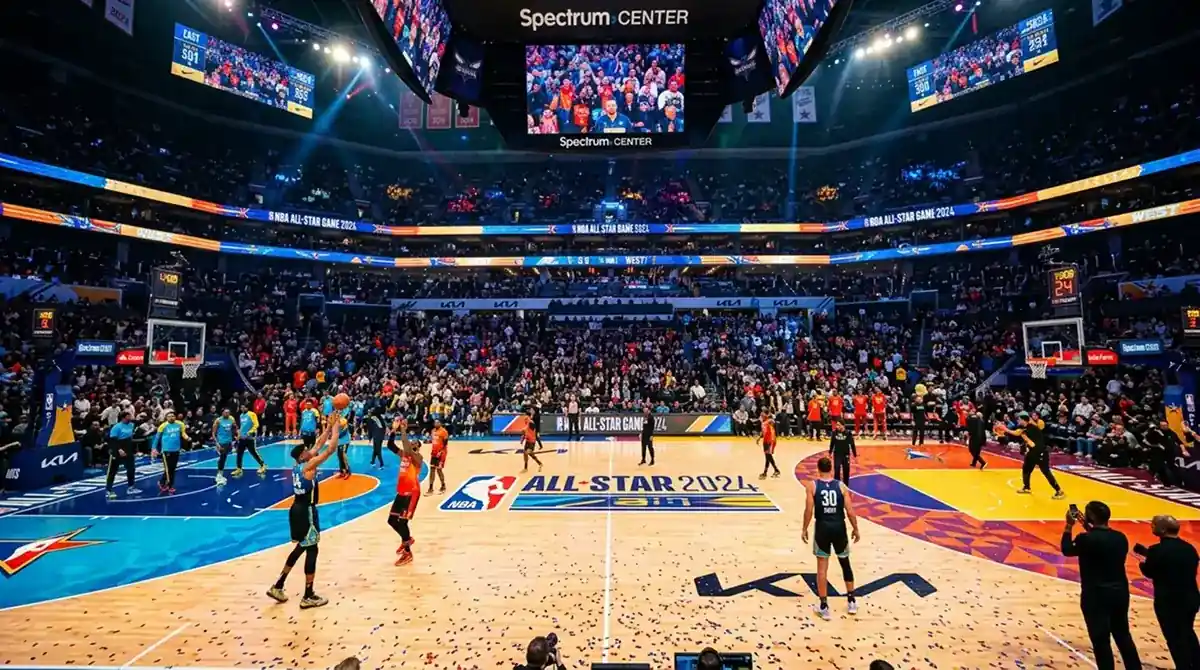
The NBA All-Star break is the strangest week on the basketball betting calendar. For six or seven days in mid-February, the regular season pauses and the league puts on a series of exhibition events designed primarily for entertainment rather than competition. For most bettors, this means a dead week — no meaningful games, no edges to exploit, nothing to do but wait. I see it differently. The All-Star break offers a handful of niche betting markets worth exploring and, more importantly, a window to recalibrate your approach to the second half of the season. The pause is not wasted time. It is preparation time.
All-Star Game and Contest Betting Markets
Will anyone reading this remember who won the 2024 All-Star Game? I doubt it, and that captures the fundamental challenge of betting on All-Star weekend events. The game itself has been reformatted multiple times in recent years precisely because neither players nor fans treated the traditional East-vs-West format seriously. The NBA has experimented with draft-style teams, target scores, and mini-tournament formats, each changing the betting dynamics substantially.
UK sportsbooks typically offer markets on the All-Star Game outcome, total points, and MVP. The key to any of these is understanding the format for the current year, because the rules directly affect scoring patterns. The target-score format, introduced to add competitive tension to the final minutes, tends to produce closer finishes than the traditional timed game. Total points markets need to account for the pace of exhibition play, which is typically faster and more offence-heavy than regular-season basketball — All-Star games routinely clear 300 combined points under certain formats.
The Slam Dunk Contest is one of the more volatile All-Star markets. Judging is subjective, the field is small (usually four participants), and the results are difficult to model. I have placed a handful of dunk contest bets over the years and my record is roughly breakeven — which, given the unpredictability of the event, feels about right. The Three-Point Contest is slightly more amenable to analysis because shooting accuracy is measurable and the format rewards consistency. Checking each contestant’s recent shooting percentages from beyond the arc gives you a basic framework, though the contest environment — different ball, no defensive pressure, crowd noise — introduces variables that regular-season data cannot capture.
The NBA’s investment in All-Star weekend reflects the league’s broader commercial strategy. With a $77 billion media rights cycle now underway, the league needs every tentpole event to drive engagement, and All-Star weekend is one of the few mid-season moments that achieves mainstream attention outside the basketball audience. For sportsbooks, the weekend is a lower-volume event but an opportunity to keep bettors engaged during the regular-season pause.
How the All-Star Break Affects Post-Break Betting Lines
The real value of the All-Star break for bettors is not in the exhibition markets — it is in what happens when the regular season resumes. Post-break performance is one of the most underpriced edges in NBA betting, and I have tracked it closely for five seasons.
Teams respond to the break differently depending on their position in the standings, their injury situation, and their schedule. Contending teams often come back sharper — they have used the break to rest, recover, and refocus. Rebuilding teams sometimes lose whatever momentum they had built before the pause. The data shows that teams with top-five records going into the break win at a higher rate in their first three games back than the rest of the league, but the spread does not always reflect this because sportsbooks weight recent form (which is stale after a week off) alongside season-long metrics.
The trade deadline typically falls just before the All-Star break, which means several teams resume play with reconfigured rosters. A team that acquired a new starting player has had the break to integrate them into the system, but the sportsbook’s models may not fully account for that integration effect. Conversely, a team that traded away its second-best player might open the post-break schedule at a line that still partially reflects the departed player’s contribution. These post-deadline, post-break pricing gaps are among the most exploitable situations I encounter each season.
The NBA market is valued at $13.92 billion and projected to reach $20.04 billion by 2031. Growth of that scale attracts attention from sharps and recreational bettors alike, which means pricing inefficiencies around structural calendar events like the All-Star break do not last forever. The bettors who develop a systematic approach to post-break analysis now will benefit from the edge while it remains available. You may also find NBA Betting in the UK — How the League Works, Where to Bet, and What to Watch interesting.
The NBA In-Season Tournament — A Separate Betting Event
The NBA Cup (formerly the In-Season Tournament) runs in November and December and deserves mention because it is one of the most misunderstood events on the NBA calendar from a betting perspective. The tournament’s group-stage games count toward regular-season records, which means they affect win totals, playoff positioning, and individual player statistical markets. However, the knockout rounds introduce single-elimination dynamics that are entirely separate from the regular-season framework.
The tournament’s impact on betting comes down to motivation. Teams that are mathematically alive in the NBA Cup have an additional incentive to win specific games — the tournament pays bonuses to the winning team’s players, and the competitive format adds prestige. Teams that are eliminated from contention revert to normal regular-season motivation. This creates an asymmetry that sportsbooks address imperfectly because the motivation differential is difficult to quantify.
I have found modest value in the early rounds of the NBA Cup by identifying games where one team is playing for tournament survival and the other is already eliminated. The effort level gap in those situations is real, if hard to measure precisely. For the knockout rounds, the single-elimination format compresses the range of outcomes — elite teams cannot afford to coast, which means upset probabilities are lower than in a typical regular-season game between the same opponents. The totals in knockout games tend to be lower as well, reflecting tighter defensive effort.
The NBA Cup is still a relatively new addition to the calendar, and both the league and the sportsbooks are refining their approach to it. For UK bettors, it offers a concentration of meaningful games in November and December — a period when the NBA regular season can otherwise feel directionless — and creates betting markets that reward attention to tournament-specific dynamics. Learn more about basketball betting guide on our main page.
Can I bet on the NBA Slam Dunk Contest from the UK?
Yes, most major UKGC-licensed sportsbooks offer markets on All-Star weekend events including the Slam Dunk Contest, Three-Point Contest, and the All-Star Game itself. Markets typically include outright winner, total points, and MVP. Availability varies by operator and format changes from year to year.
Is the NBA In-Season Tournament included in regular season bets?
Group-stage games in the NBA Cup count toward regular-season records, so they are included in season win-total bets and affect regular-season standings. The knockout rounds are separate from the regular-season schedule and do not count toward regular-season records. Sportsbooks treat tournament knockout games as distinct events with their own markets.
Created by the ”Basketball Betting Guide” editorial team.